Is bingo a game of chance or skill? Understanding the fundamentals
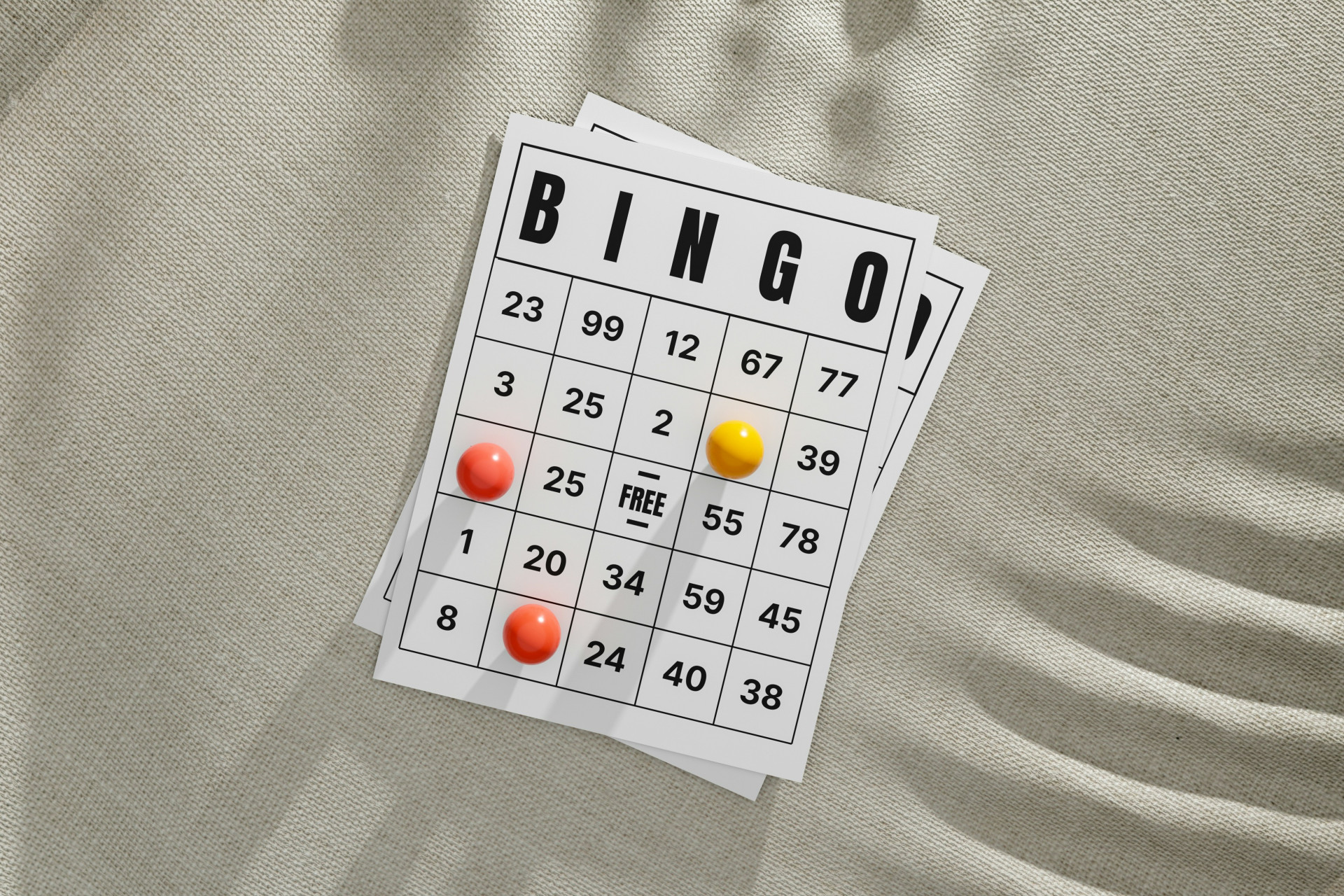
Is bingo a game of chance or skill? Understanding the fundamentals
Bingo is a beloved game that has entertained people for generations. Whether played in lively hall settings or online platforms, it garners interest across age groups. But a question arises: is bingo a game of chance, or does it involve skill? This article delves into the fundamentals of bingo, examining its nature and what you need to know to fully enjoy the experience.
The Basics of Bingo
Bingo involves players filling in numbers on a card as they are randomly drawn. The objective is to complete a specified pattern—most commonly a line, a row, or a full card—before anyone else. Each player uses their bingo card with a set of unique numbers that are arranged in a grid format. When a number is drawn, players mark it on their cards until they achieve the winning pattern.
Fundamentally, bingo is designed to involve a significant degree of randomness. Numbers are called out at random from a pool, creating an unpredictable environment where outcomes depend heavily on chance. Yet, this randomness does not nullify the discussions about the strategic aspects of the game.
The Element of Chance
The chance component of bingo is paramount. The primary factor determining the outcome is the random drawing of numbers. Players have no control over which numbers will be drawn next; this element serves as the essence of gaming luck.
Different versions of bingo may employ various mechanics and rules, but the randomness remains consistent across all formats. Traditional bingo often utilizes a ball drawing system, while online bingo may use random number generators. Players may have minimal influence on their chances of winning, as their success relies on luck.
The Role of Skill
While many perceive bingo as a game of chance, a nuanced understanding reveals that skills can play a subtle role. For instance, attentive players may improve their experience by developing certain strategic approaches.
One such strategy involves selecting the right bingo cards. While all cards ultimately contain random numbers, certain cards may present higher odds if more players are competing. Focusing on games with fewer participants can increase an individual’s chances of winning.
Additionally, the speed at which a player marks their cards may also reflect skill. Players who can quickly and accurately track drawn numbers can maximize their opportunity to win before others. This skill may enhance both enjoyment and performance.
Psychological Aspects of Bingo
The social nature of bingo adds a distinct layer to the game. Players often enjoy the camaraderie found in bingo halls, with social interactions being an essential part of the experience. This aspect can influence how skill or chance is perceived among players.
Emotion and behavior play roles in how players engage with the game. Excitement can affect decision-making; for example, some players may rush to mark numbers or miscalculate patterns when caught up in the thrill. Understanding emotional regulation within the game can promote a better strategy and overall performance.
Bingo Variations and Their Mechanics
Bingo comes in several variations, each with its unique set of rules and mechanics. For instance, 75-ball bingo is popular in the U.S., while 90-ball bingo is more common in the UK. Different formats offer diverse patterns and styles of play, leading to varied dynamics between chance and skill.
Each variation may also attract different demographics, influencing social aspects and individual skill levels. Understanding the mechanics of the specific type of bingo being played is essential for adopting the right approach, whether emphasizing chance or honing skill.
Strategies to Enhance the Bingo Experience
While chance is a significant driving force behind bingo, players can employ specific strategies to enhance their overall enjoyment and increase their odds. Exploring the following tips can foster a more engaging gameplay experience:
- Select More Cards: If allowed, playing multiple cards can improve your chances of winning, though it requires more focus.
- Choose Your Games Wisely: Opt for games with fewer players or games that offer attractive payouts.
- Stay Focused: Maintaining concentration during gameplay ensures you don’t miss important calls.
- Participate Regularly: Regular participation can foster familiarity with various patterns, improving your chances over time.
Each of these strategies encourages players to engage more deeply with the game, blending enjoyment with elements of skill. Whether a player leans more toward luck or strategy, bingo remains an entertaining pastime across the globe.