Roulette: The Spinning Wheel of Fortune for Crafty Game Masters
Roulette: The Spinning Wheel of Fortune for Crafty Game Masters
Roulette is often regarded as the quintessential casino game. Its spinning wheel and bouncing ball create an exhilarating atmosphere that attracts players from all walks of life. For crafty game masters, roulette is not just a game of chance but a platform for creativity, strategy, and engagement. In this article, we will explore the exciting world of roulette through various lenses, including its history, types of bets, strategies, and the psychological aspects that make it so captivating.
The History and Evolution of Roulette
The origins of roulette can be traced back to the 18th century in France. The game, which means “little wheel,” was created by Blaise Pascal while experimenting with a perpetual motion machine. Over time, it evolved, incorporating elements from various games, including the Italian game of ” Ingenio.” By the late 19th century, roulette had established itself in casinos across Europe and America.
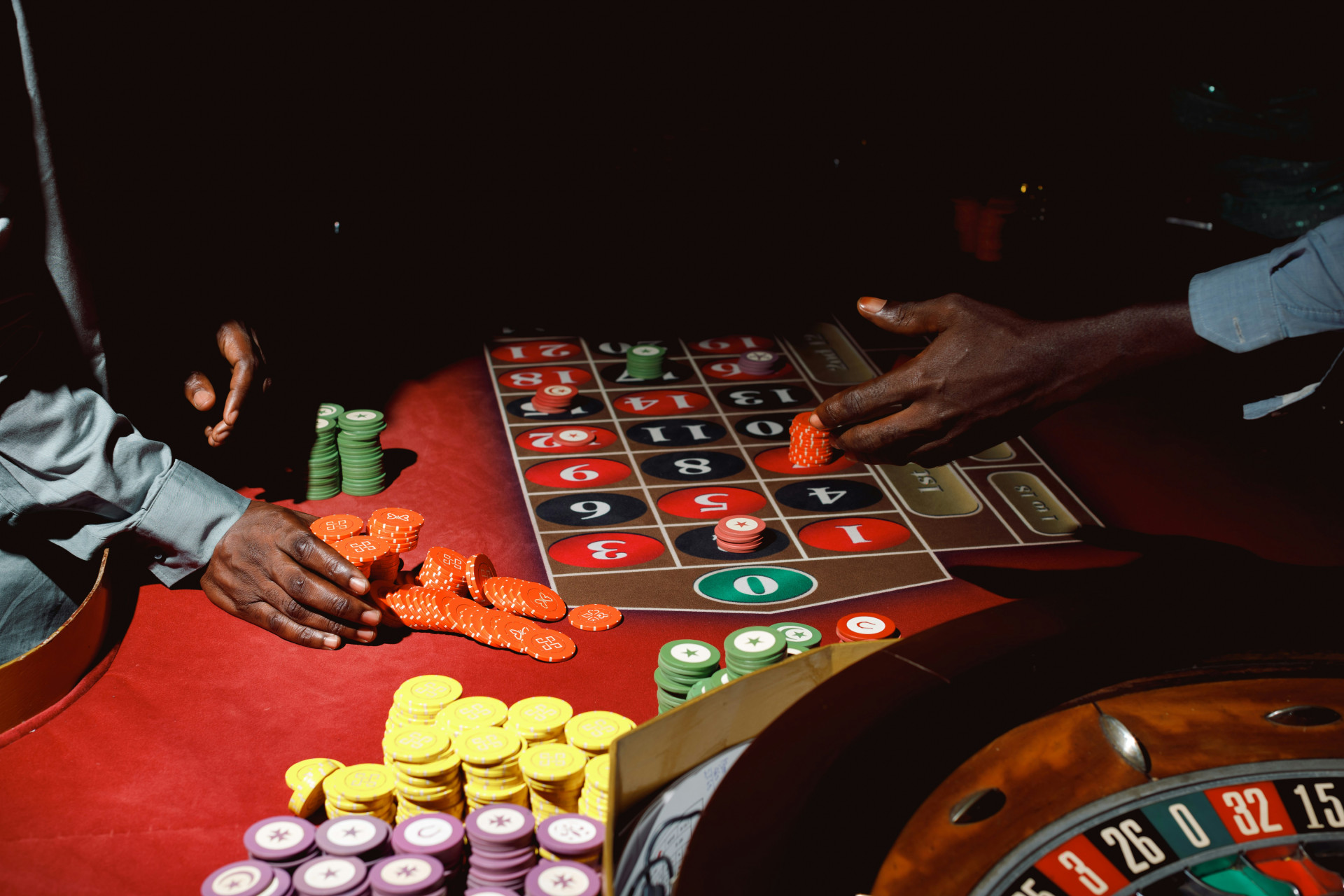
Roulettes contemporary form features a wheel divided into numbered slots, with half colored red and half black, along with a green slot for zero. This design has led to numerous adaptations and variations, allowing game masters to introduce their unique spins to the classic format.
Understanding the Types of Bets in Roulette
In roulette, players have the opportunity to place various types of bets, each offering different odds and payouts. Understanding these bets is essential for a game master aiming to create engaging gameplay.
Inside Bets: These are bets placed on specific numbers or small groups of numbers on the wheel. Options include straight bets (betting on a single number), split bets (two adjacent numbers), and street bets (three numbers in a row). While they offer higher payouts, they also come with lower odds of winning.
Outside Bets: These bets are placed outside the numbered grid on the table. They include options like red or black, odd or even, and high or low (1-18 or 19-36). Although the payouts are smaller compared to inside bets, they provide a better chance of winning, making them popular among beginners.
Strategies for Success in Roulette
Although roulette is primarily a game of chance, game masters and seasoned players develop strategies to navigate the games unpredictability. Some popular strategies include:
The Martingale System: This classic betting strategy involves doubling your bet after each loss, with the goal of recovering previous losses and gaining a profit when you eventually win. While it sounds appealing, it requires a substantial bankroll and can lead to significant losses if a long losing streak occurs.
The Fibonacci System: Based on the famous Fibonacci sequence, this strategy encourages players to increase their bets based on mathematical progression after a loss. Its generally seen as a safer alternative to the Martingale but still carries risks.
Flat Betting: This conservative approach involves betting the same amount each time, regardless of wins or losses. Although it may yield smaller wins, it allows players to enjoy longer playing sessions without risking their entire bankroll.
The Psychological Edge of Roulette
One of the fascinating aspects of roulette is the psychological game that unfolds at the table. Game masters can harness this psychological factor to enhance the experience for their players.
Creating a Social Atmosphere: Roulette inherently lends itself to social interaction. Game masters can foster a lively environment by encouraging collaboration, shared experiences, and friendly banter. This connection makes the game more enjoyable and keeps players engaged.
Managing Expectations: Roulette can be a rollercoaster of emotions. Game masters should educate players about the odds and the nature of chance, setting realistic expectations for winnings and losses. Approaching the game with a balanced mindset can enhance overall enjoyment.
The Future of Roulette in Gaming
As technology continues to evolve, so does roulette. Online casinos have introduced live dealer roulette, allowing players to enjoy the classic game from the comfort of their homes. These technological advancements will likely shape the future of roulette and its accessibility, expanding its appeal to a broader audience.
Furthermore, virtual and augmented reality may create new opportunities for immersive gaming experiences, allowing players to engage with the game in a whole new way. Game masters who embrace these advancements will be at the forefront of revolutionizing how roulette is played and perceived.
Roulette remains a timeless game that combines chance, strategy, and psychology. Crafty game masters who understand its intricacies can create memorable experiences that keep players returning for more, ensuring that the spinning wheel of fortune never loses its allure.