The Psychology of Excitement: How Anticipation Shapes the Slot Machine Experience


The Psychology of Excitement: How Anticipation Shapes the Slot Machine Experience
When the reels start spinning and the familiar chime of a slot machine fills the air, something happens in the brain. The heart rate quickens, and a wave of anticipation builds as players wait for the symbols to align. But why does this moment feel so thrilling—even when the outcome is completely random? The answer lies in the psychology of expectation, reward, and how our brains respond to uncertainty.
The Power of Anticipation
Humans are wired to respond to anticipation. When we believe something positive might happen, the brain releases dopamine—a neurotransmitter closely linked to motivation and pleasure. What’s fascinating is that dopamine doesn’t just surge when we win; it’s released in the moments when we expect to win.
That means the excitement leading up to the result can be just as rewarding as the win itself. In slot machines, this mechanism is what makes the experience so captivating: every spin holds potential, and the brain reacts to that potential rather than the outcome.
The Allure of Unpredictable Rewards
A key element in slot machine design is what psychologists call variable reinforcement. This means rewards—like payouts—arrive unpredictably. Sometimes a win comes quickly; other times, it takes dozens of spins. This unpredictability creates a powerful form of motivation because the brain is constantly trying to predict when the next reward will appear.
Research shows that this type of reward pattern is one of the most effective at maintaining behavior. It’s the same mechanism that keeps people checking their phones for new notifications—maybe there’s something exciting waiting, maybe not. In slot machines, that uncertainty translates to: maybe this spin will be the one.
Lights, Sounds, and the Illusion of Control
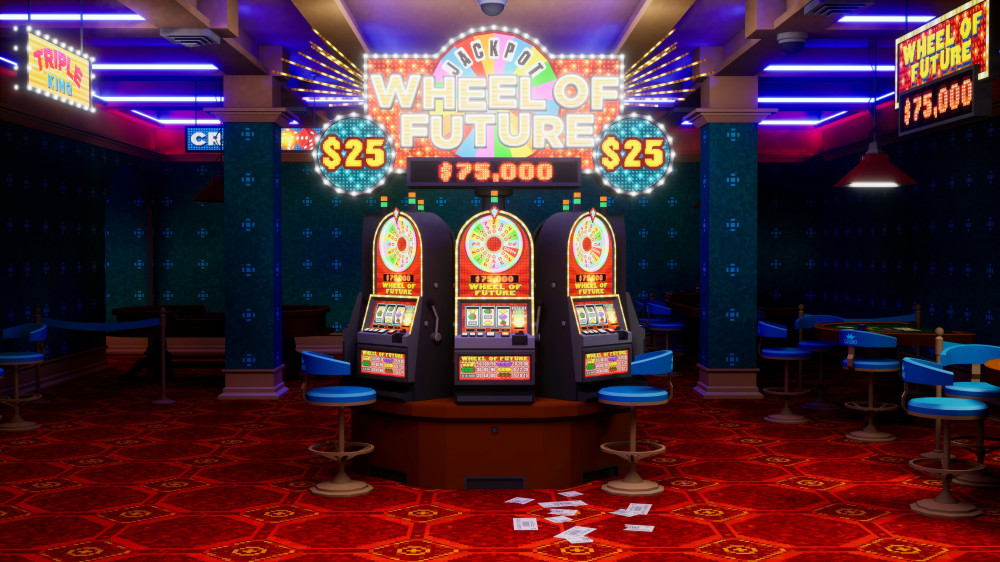
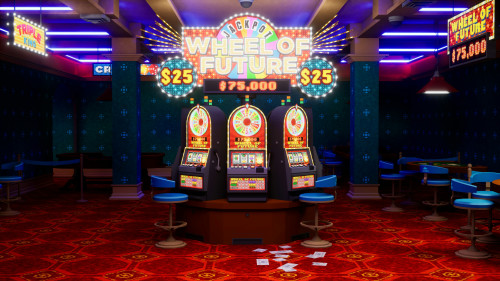
Slot machines are designed to engage the senses. Flashing lights, celebratory sounds, and colorful animations amplify the feeling that something important is happening. Even small wins—often less than the amount wagered—are accompanied by triumphant music, creating the impression of success and keeping motivation high.
Many players also experience what psychologists call the illusion of control. Even though outcomes are random, it can feel as if pressing the button at just the right moment or choosing a particular machine might influence the result. This sense of agency makes the game more engaging because it taps into our natural desire to master patterns and influence outcomes.
When Excitement Becomes Habit
For most people, slot machines are a form of entertainment—a brief escape filled with excitement and fun. But for some, the psychology of anticipation can evolve into a habit that’s hard to break. As the brain becomes accustomed to those dopamine-fueled moments, it may start seeking them repeatedly, even when the experience is no longer enjoyable.
That’s why it’s important to be mindful of how gaming affects you. Setting limits on time and money can help keep play enjoyable rather than compulsive. In the U.S., many casinos and online platforms now offer self-exclusion tools and responsible gaming resources to help players maintain balance.
Læs også:
Excitement as Part of the Experience
At its core, the thrill of slot machines is about anticipation—the moment when anything seems possible. It’s an experience that blends chance, sensory stimulation, and psychology in a way that speaks directly to our brain’s reward system. Understanding these mechanisms doesn’t take away the fun; it helps us appreciate the excitement for what it truly is—a controlled form of entertainment where the journey, not just the outcome, is what keeps us coming back.
Læs også: